Top 5 Ecommerce Payment Trends to Watch in 2024
The world of online shopping is evolving quickly. And so are our payment methods. In a market where convenience and security matter more than ever, staying updated on payment trends isn't just a good idea—it's essential. For any business aiming to succeed, understanding these changes is crucial. It’s not about jumping on every new trend, but about knowing which developments can truly benefit your customers.
Digital payments are changing the way we buy and sell, and businesses are feeling the push to keep up. In 2024 the payment landscape is shifting rapidly, driven by our need for convenience and security. It's an exciting time, with innovation leading the charge. Let's embrace these changes and see where they take us!
In this article, we’re diving into the top ecommerce payment trends you need to know. Mobile wallets are on the rise, and cryptocurrencies are making their mark. These trends are reshaping how we shop online. Let's dive in and see what the future holds for ecommerce payments!
Top 5 Ecommerce Payment Trends to Keep an Eye On
Mobile Wallets and Contactless Payments
Mobile wallets are now the go-to payment method for countless consumers. Options like Apple Pay, Google Pay, and Shopify Pay are leading the charge, and it's clear why this ecommerce payment trend is skyrocketing. A survey by Worldpay uncovers that in 2023 over half of the global e-commerce transaction value was done by mobile wallets. It’s truly a game-changer for the way we shop online.
.png)
Consumers love mobile wallets for several reasons:
- Convenience: Payments are just a tap away, no need to enter card details.
- Speed: Transactions are completed in seconds.
- Security: Advanced encryption and biometric authentication keep data safe.
For merchants, the benefits are just as exciting. Faster checkouts mean fewer abandoned carts and higher conversion rates. Mobile wallets blend perfectly with existing ecommerce setups, making them easy to adopt. Simplified payment processes lead to more completed sales and satisfied customers. It's a win-win for everyone involved.
Looking ahead, the future of mobile wallets is exciting. We're going to see even more innovations. Biometric authentication, like fingerprints and facial recognition, will become the norm, boosting security. Plus, advancements in NFC technology will make contactless payments faster and smoother. So let's embrace it with open minds and cautious optimism!
Buy Now, Pay Later
Buy Now, Pay Later (BNPL) is revolutionizing online shopping. It's simple: get what you need now, pay for it later. This approach has exploded in popularity, especially with younger generations. It's not just a trend—it's a shift in how we think about spending. The appeal? Flexibility and freedom. As experts, we see this as more than a convenient option; it's a smart way to manage finances without compromising on immediate needs.

Several companies dominate the BNPL market, including Klarna, Afterpay, and Affirm.
BNPL offers significant advantages for both consumers and merchants:
- Increased Cart Value: When shoppers have the option to pay later, they tend to spend more. This simple change often leads to higher cart values. This approach not only benefits businesses but also feels right for the customer.
- Improved Customer Loyalty: Offering flexible payment options can make a real difference. It encourages customers to come back, fostering loyalty. When you give people choices, they appreciate it and often reward you with repeat business.
- Higher Conversion Rates: Streamlines the checkout process, making it smooth and hassle-free. This naturally leads to higher sales.
However, there are some drawbacks to consider. The risk of consumer debt is a concern, as shoppers may accumulate liabilities they struggle to repay. Additionally, merchants face costs associated with offering BNPL services, which can impact profit margins. Despite these challenges, the potential benefits make BNPL an attractive option for many businesses.
Sure, BNPL (Buy Now, Pay Later) has its benefits, but let's talk about the flip side for a moment. One big worry is consumer debt—shoppers could end up with bills they can't handle. And it's not just the shoppers; businesses have their own set of challenges. Offering BNPL services isn't free; there are costs that can chip away at profit margins. Despite these hurdles, there's no denying the appeal of BNPL for many businesses. It's all about weighing the pros and cons.
Cryptocurrency Payments
Cryptocurrency payments are making waves in the ecommerce world. With Bitcoin, Ethereum, and other digital currencies gaining traction, more retailers are starting to accept crypto payments.
In ecommerce, the go-to cryptocurrencies are Bitcoin, Ethereum, and stablecoins. This exciting ecommerce payment trend brings new possibilities and challenges. As a true expert we can say - it's clear that crypto is here to stay!
.jpg "cryptocurrency payments")
Cryptocurrency payments come with several benefits:
- Security: Blockchain technology significantly reduces the risk of fraud.
- Lower Transaction Fees: Reduces costs compared to traditional payment methods. Simple as that. By cutting down on extra fees, cryptocurrency payments make transactions smoother and more affordable.
- Appeal to Tech-Savvy Customers: Attracts a new demographic of shoppers.
But challenges exist too. The volatility of cryptocurrency prices is a real worry; market fluctuations can impact transaction values significantly. Regulatory concerns differ from country to country, making compliance tricky. And let's not forget the technical adjustments needed to integrate with existing systems. These hurdles are real, but with careful navigation, they can be managed.
As cryptocurrency becomes more mainstream, we can expect wider adoption and more stable options. It's an exciting trend to keep an eye on, with real implications for the future of how we trade and transact online.
QR Codes
QR code payments, an execution of pay by link, have really gained traction, especially during the pandemic. It's simple: just scan the code with your smartphone and complete the transaction. You scan, you confirm, and boom—payment done in an instant.
This method has made life a bit easier for everyone. No fumbling for cash or cards. Just a quick scan and you're good to go. It's straightforward and efficient, fitting perfectly into our fast-paced lives. Plus, it's safe and hygienic—something we've all come to appreciate even more these days.
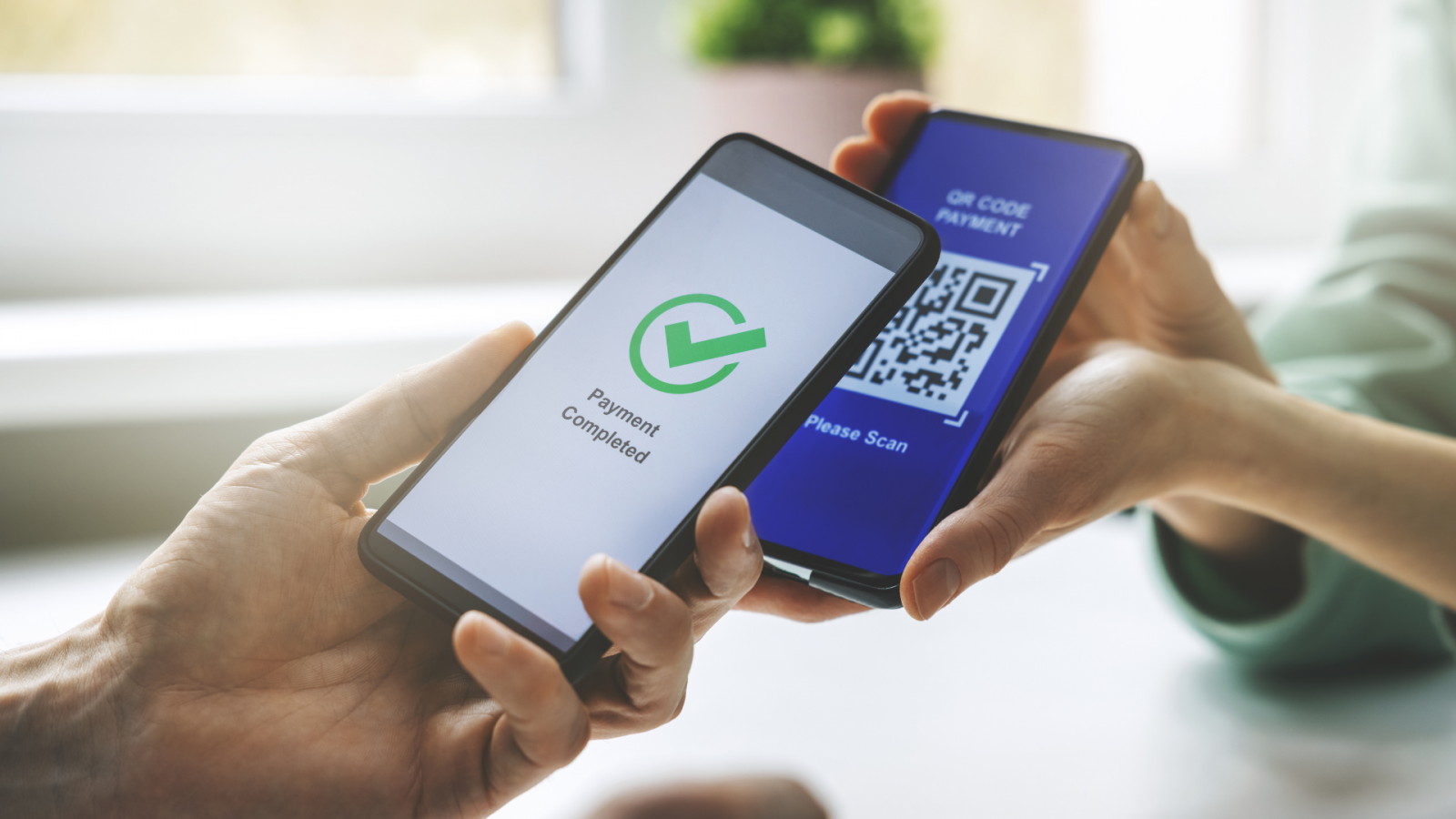
QR code payments offer numerous benefits:
- Contactless: Ideal for health-conscious customers.
- Convenient: They are straightforward and quick.
- Fast Transactions: Payments go through instantly.
For businesses, QR codes provide a straightforward and affordable way to handle payments. They can be easily integrated into both online and offline environments. Imagine being able to put QR codes on product pages, invoices, or even your storefront window to make payments a breeze. It's a versatile tool, especially beneficial for small businesses wanting to offer more payment options without breaking the bank.
Innovative implementations of QR code technology continue to emerge. Take dynamic QR codes, for example. They let businesses update the embedded data in real-time, making it easy to tweak prices or offer tailored discounts. Pretty smart, right?
And it's not just theory—companies like PayPal and WeChat are already using QR codes for payments. It's a game-changer, showing just how much potential QR codes have to reshape how we handle transactions. With its convenient and secure qualities, it's clear that QR codes are here to stay.
Cross-Border Payments
Cross-border ecommerce is growing fast. For businesses, this means it's crucial to provide smooth international payment options. More consumers are shopping from overseas retailers than ever before. Efficiently handling these transactions can significantly expand a business's reach and boost revenue.
However, cross-border payment processing comes with their own set of challenges that businesses must navigate:
- Currency Conversion: Fluctuating exchange rates can really complicate transactions and mess with pricing strategies and business financials. Graph below exemplifies the issue a merchant might face with multiple currencies exchange along the way. That's why it's important for merchants to look for a provider with various processing but also settlement currencies and like for like settlement option.
- Compliance: Navigating international transactions can be tricky. Different countries have their own set of regulations, making compliance a real challenge.
- Fraud Risks: International transactions are particularly vulnerable to fraud, so strong security measures are crucial. Both businesses and customers need protection. Implementing advanced fraud detection systems can help mitigate these risks.

Despite the challenges, there are ways to handle cross-border payments:
- Multi-currency Payment Gateways: They allow customers to pay in their local currency, making transactions smoother and less confusing. This not only enhances the customer experience but also reduces abandoned carts due to currency confusion.
- Local Payment Methods: Integrate popular regional payment options like Alipay and WeChat Pay in China, iDEAL in the Netherlands is also smart. It lets customers use what they know and trust.
- Blockchain Technology: Offers secure and transparent transactions, that minimize fraud and keep a reliable record of everything. By reducing intermediaries, blockchain can speed up the payment process.
Embracing cross-border payments can transform your business. By enabling international transactions, you tap into a global customer base, opening doors to new revenue streams and growth opportunities. When customers feel secure with familiar payment methods, their shopping experience improves, and loyalty grows. And when customers trust you, they're more likely to return!
Summing up
As we've covered, ecommerce payment trends are transforming how businesses and consumers interact. We've explored the rise of mobile wallets and dived into the intriguing world of cryptocurrency payments. We've also looked at the convenience of QR code payments, navigated the complexities and opportunities of cross-border transactions, and examined the popular Buy Now, Pay Later (BNPL) options. It's an exciting time to be in ecommerce, witnessing these shifts firsthand.
To thrive in online commerce, staying ahead is key. Consider incorporating these ecommerce payment trends into your business strategy to attract more customers, increase sales, and simplify your operations. Stay informed. Be adaptable. Keep exploring, stay innovative, and watch your ecommerce enterprise flourish!

Stay ahead of the curve!
Subscribe to stay updated with more exclusive insights and curated content!